
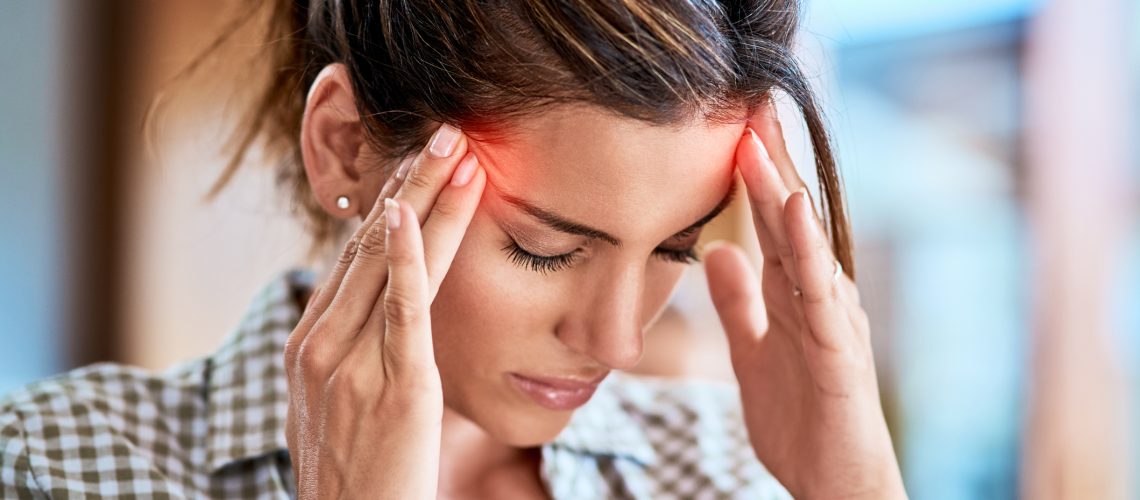

If you’re in your late 30s or 40s and suddenly thinking, “Why do I feel so off?”—welcome to perimenopause. This phase has a sneaky way of showing up unannounced and making even the most in-tune women question what’s going on with their bodies. And no, it’s not “just stress,” and you’re definitely not imagining it.
Perimenopause is real. It’s common. And thankfully, there are ways to feel better without white-knuckling your way through it.
What Is Perimenopause?
Perimenopause is the transition phase leading up to menopause and it can last several years (sometimes longer than we’d like). During this time, hormones—especially estrogen and progesterone—don’t gently decline. They roller-coaster. And your body feels every twist and turn.
Some of the most common symptoms I see (and hear about daily) include:
Irregular or suddenly shorter cycles
Headaches that seem to follow your cycle
Trouble sleeping (or waking up at 3 a.m. wide awake)
Anxiety, irritability, or feeling emotionally “on edge”
Brain fog and forgetfulness
Hot flashes or night sweats
Fatigue that coffee just doesn’t touch
Every woman’s experience is different, which is part of what makes perimenopause so frustrating. There’s no universal checklist—just a lot of “this doesn’t feel like me.”
Why Perimenopause Can Feel Like Such a Mess
Hormones don’t just affect your cycle. They influence your nervous system, stress response, sleep, digestion, pain perception, and even how well you tolerate everyday life. When estrogen and progesterone start fluctuating, your whole system can feel unsettled.
Many women are told this is something to simply “ride out.” I strongly disagree. Support exists—and it can make this phase far more manageable.
How Acupuncture Helps During Perimenopause
Acupuncture doesn’t try to override your body or force hormones into submission. Instead, it helps your body regulate itself more efficiently—which is exactly what you want during a time of change.
Here’s how acupuncture can help:
1. Calms the Nervous System
Perimenopause often turns the volume up on stress, anxiety, and sleep issues. Acupuncture helps shift your body out of constant fight-or-flight mode and into a calmer, more regulated state. Translation: better sleep, fewer racing thoughts, and more emotional steadiness.
2. Supports Hormonal Communication
Acupuncture supports the brain-ovary-adrenal connection, helping smooth out hormonal fluctuations. This can mean fewer headaches, more predictable cycles, and less intensity around symptoms like night sweats and mood swings.
3. Eases Headaches and Muscle Tension
Neck, shoulder, jaw tension, and hormonal headaches are extremely common during perimenopause. Acupuncture improves circulation, releases tight muscles, and quiets pain pathways—often with noticeable relief.
4. Improves Sleep (Finally)
If falling asleep is hard—or staying asleep feels impossible—acupuncture can help. By calming the nervous system and supporting melatonin regulation, many women report deeper, more restorative sleep.
5. Boosts Energy and Clears Brain Fog
That constant “tired but wired” feeling isn’t your imagination. Acupuncture supports digestion, circulation, and energy production, helping you feel clearer, steadier, and more like yourself again.
Why a Personalized Approach Is So Important
Perimenopause is not one-size-fits-all—and neither is acupuncture. Treatments are tailored to your symptoms, cycle patterns, stress levels, and lifestyle. Some women notice improvements quickly; others experience gradual but meaningful changes over time. Both are normal.
How Often Do You Need Treatment?
Most women do best with:
Weekly or bi-weekly sessions at first
Gradually spacing treatments as symptoms stabilize
Hormonal patterns take time to shift, so consistency matters—especially when symptoms change month to month.
You Don’t Have to Just “Power Through”
Perimenopause is a natural transition, but feeling miserable isn’t a requirement. With the right support, this stage can be a reset—not a breakdown. You deserve to feel grounded, rested, and like yourself again.
If you’re navigating perimenopause and thinking, “There has to be a better way to feel than this,” you’re probably right. Acupuncture can be a gentle, effective part of that solution.
✨ If you’re curious whether acupuncture could help with your perimenopausal symptoms, a personalized consultation is a great place to start.